Making
You are already making it.
The work you took, the border you crossed, the child you raised, the church you built, the recipe you refuse to write down. Legacy is not something you leave at the end. It is something you are making today.
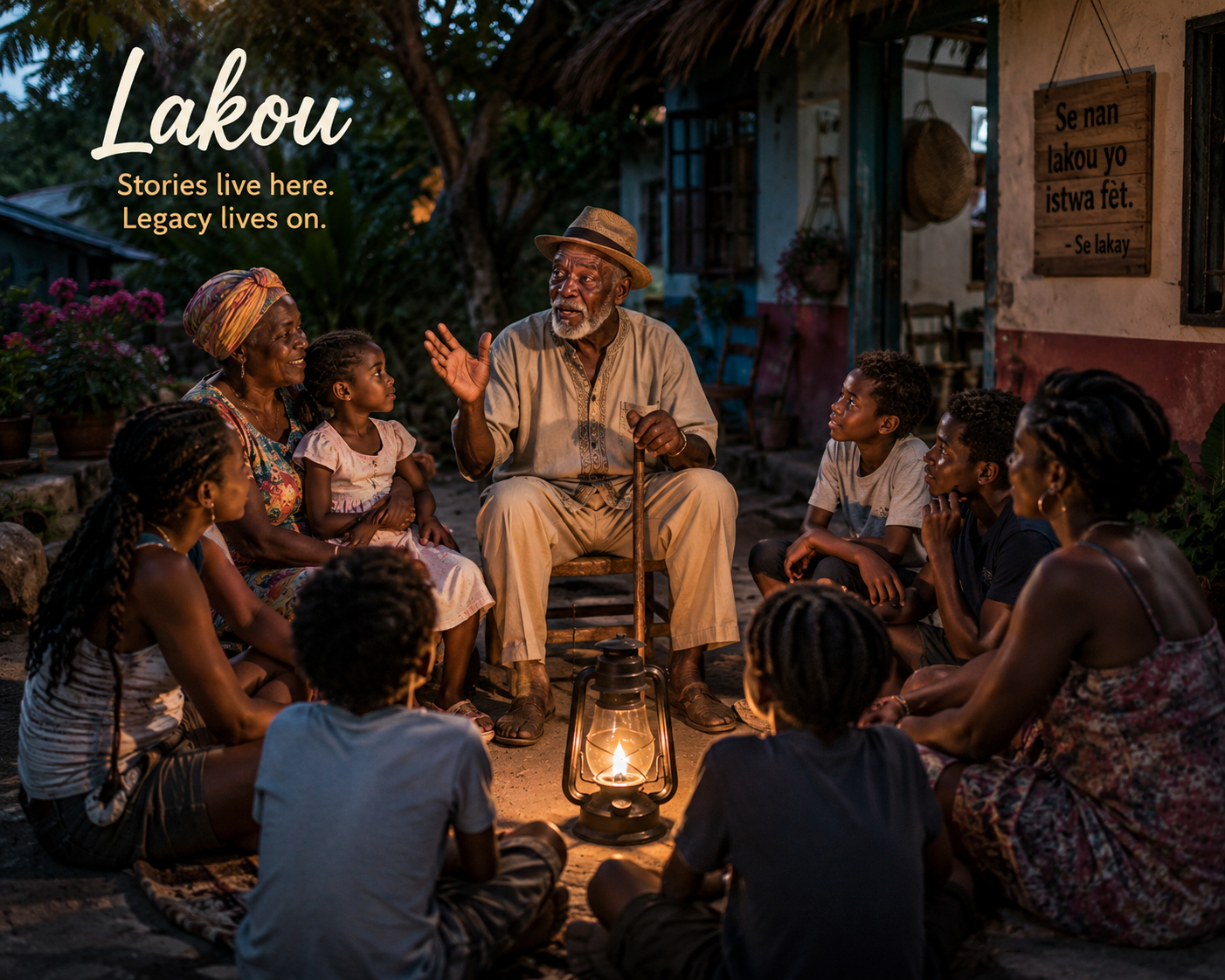
Welcome to the Legacy Project
Legacy | noun
Something handed down from one generation to the next. Not only what a family owns — what a family knows.

What is the Legacy Project?
A movement to help Black, Brown and immigrant families record their own stories — in their own voices, on their own terms.
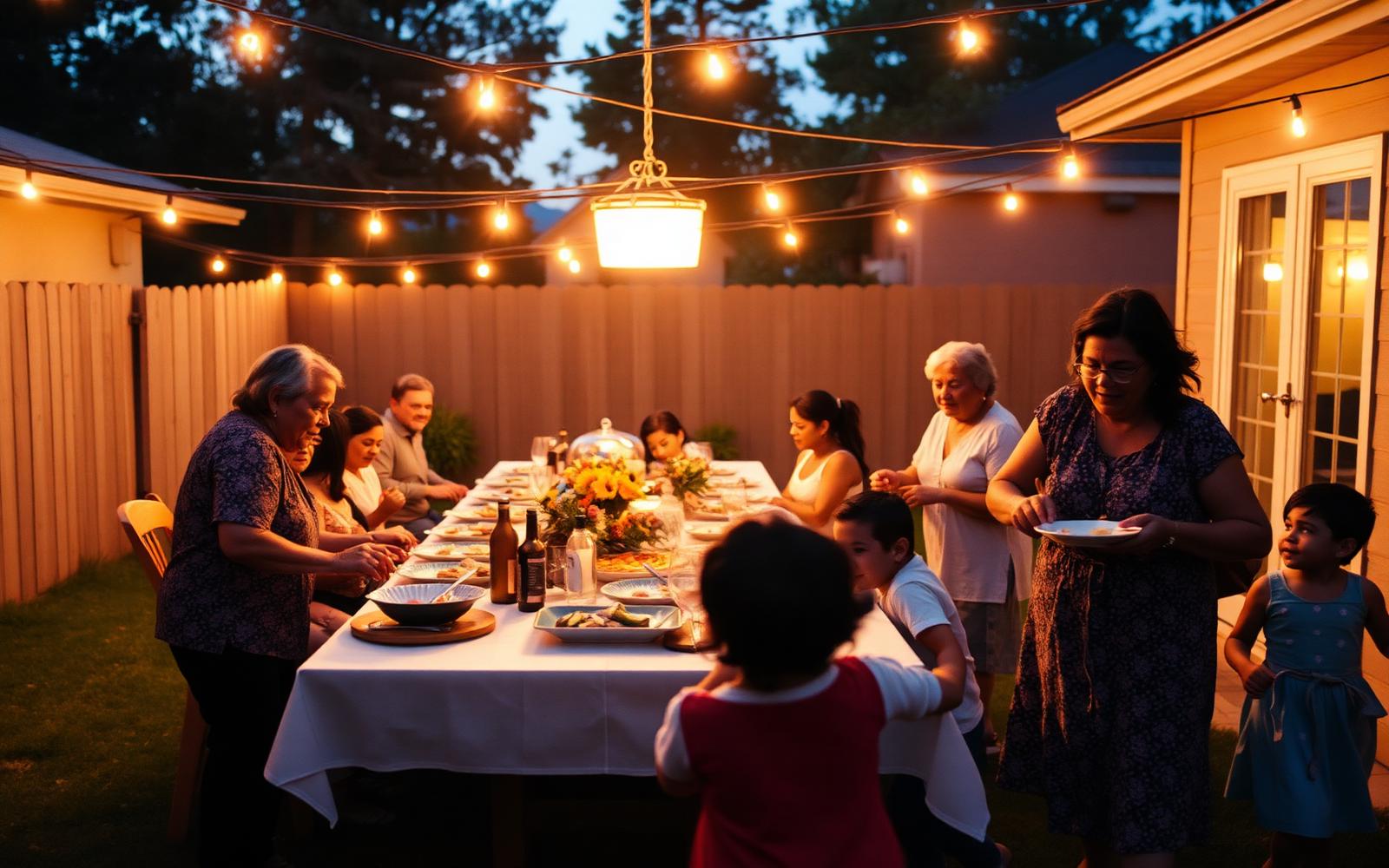
Our histories have survived in kitchens, churches, barbershops and backyards, carried by people who were rarely asked to write them down. The Legacy Project exists to change that: one question, one recording, one family at a time.
This is not a product you buy. It is a decision you make — that your family's history is worth keeping, and that you are the one who will keep it.
Questions worth sitting with
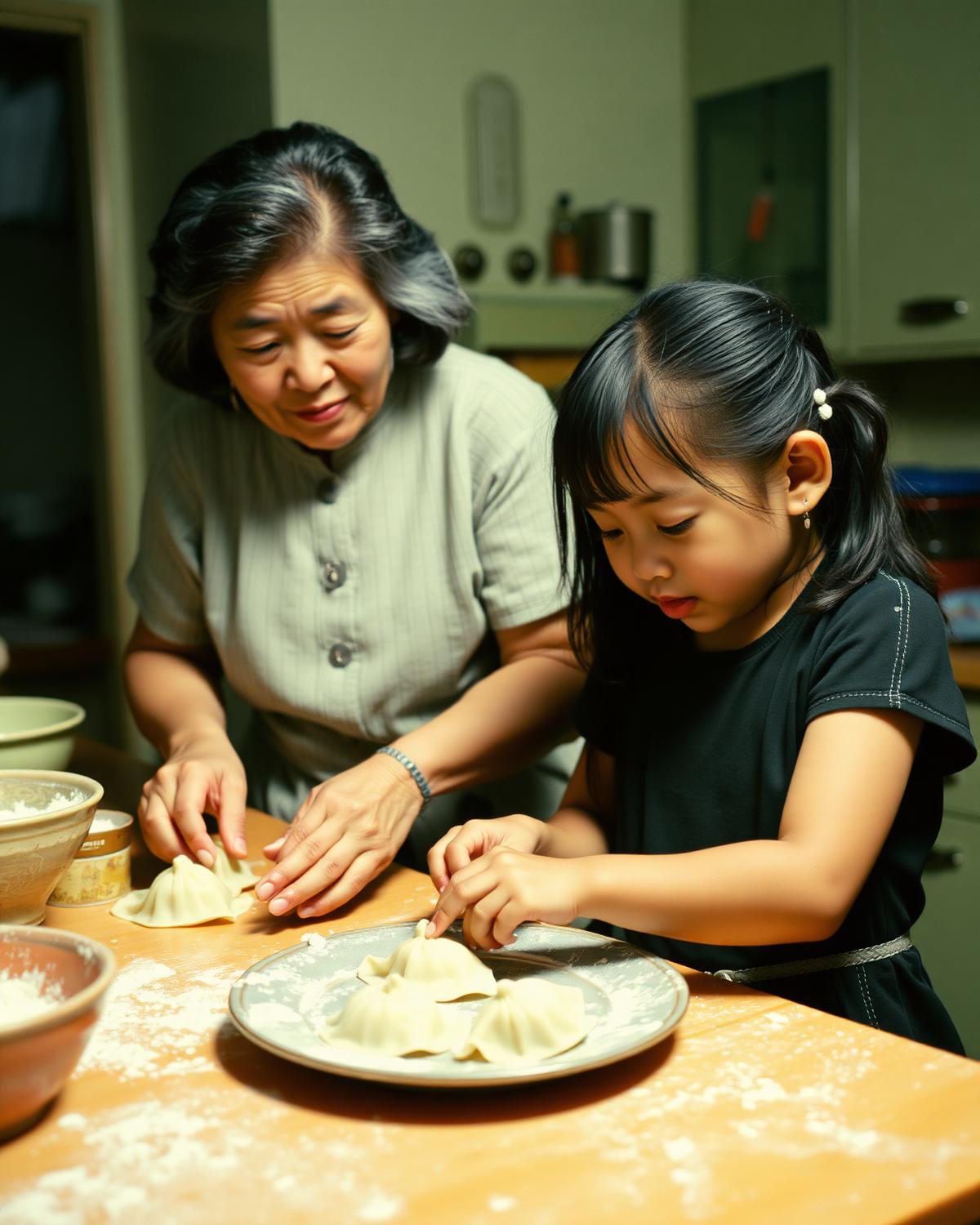
Legacy defines you & them
Legacy is not measured in dollars. It is measured in what your children can still recognize as theirs.
The recipe cooked the same way for eighty years. The song sung at every funeral. The reason the family left, and the reason it stayed. Money is spent. These are inherited.
Making · Telling · Sharing
Three things every family can do, starting this week.
You are already making it.
The work you took, the border you crossed, the child you raised, the church you built, the recipe you refuse to write down. Legacy is not something you leave at the end. It is something you are making today.
Say it out loud, to someone.
A story nobody hears is already half gone. Ask the question at the table. Turn the recorder on. Let the elder talk longer than feels comfortable — the good part always comes after the polite part.
Put it somewhere it can survive you.
Scattered voice notes are not an archive. Gather them in one place, name the people in the photographs, and hand it forward on purpose.
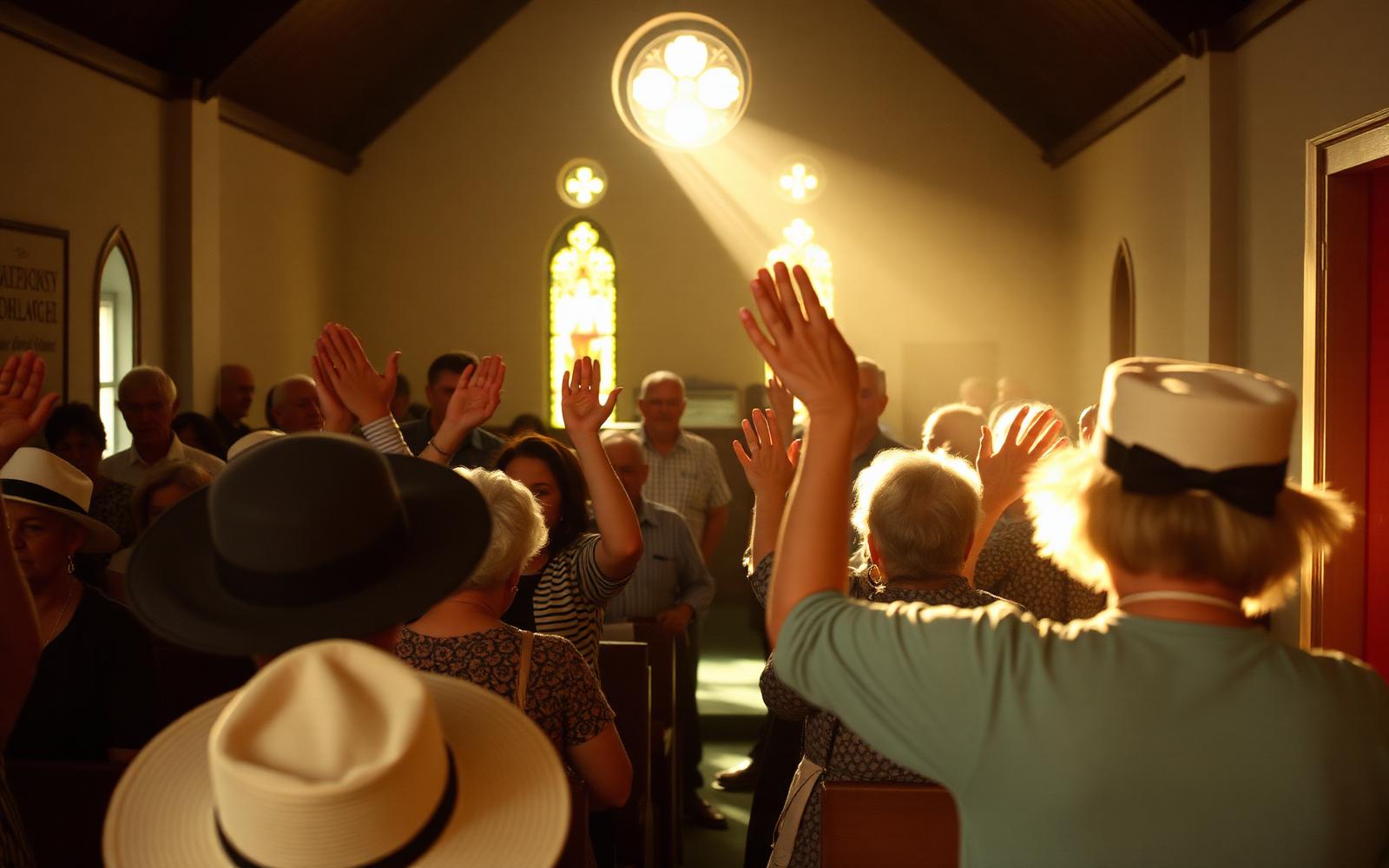
Quick. Simple. Where you already gather.
One question. One recording. One safe place to keep it.
Bring a recording table to your reunion. Run a story hour at your library. Give one Sunday to the elders in your congregation. The tool is simple — the commitment is what matters.
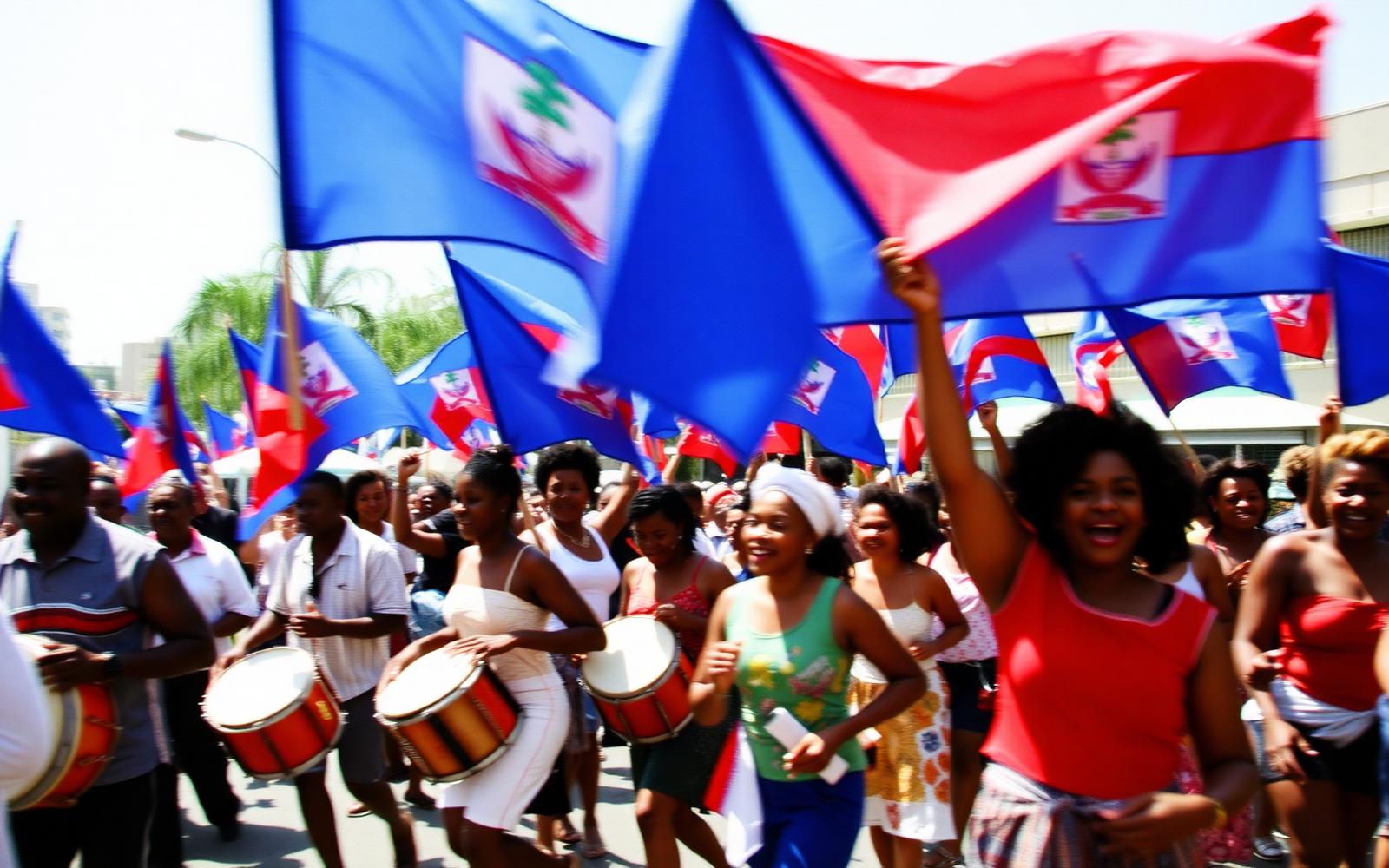
Get started
Be the person in your family who decided to start.
One hundred years from now, what will your family know about you?